
Landing Page Optimization 101: From Basics to Personalized LPO with CDP & MA
Published: Nov 26, 2025|10 min read|

Table of Contents
- Introduction
- Chapter 1: What is Landing Page Optimization? The Basic Idea of LPO
- Chapter 2: LPO vs. SEO: A Clear Explanation of the Differences
- Chapter 3: Specific LPO Use Cases
- Chapter 4: Maximizing Customer Experience with Personalized LPO
- Chapter 5: CDP and MA: Accelerating Personalized LPO
- Conclusion
- Contact Us / Ask a Question
Introduction
Are you seeing more people visit your website, but not enough of them are contacting you or buying your products? In today's digital marketing world, just getting a lot of visitors isn't enough. The important thing is to turn those visitors into actual "results." This is where "LPO" – Landing Page Optimization – becomes vital.
This article will cover everything about LPO: from its basic ideas and specific examples (use cases) to advanced personalization strategies. We hope you find useful tips here to boost your website's conversion rate and help your business grow faster.
Chapter 1: What is Landing Page Optimization? The Basic Idea of LPO
Let's start by clearly understanding what LPO means.
Definition of LPO (Landing Page Optimization)
A "landing page" is the first page a user sees when they come to your website, whether from an online ad, a search result, or a social media post. "Landing Page Optimization" is the process of improving this page to achieve specific goals (like requesting information, buying a product, asking a question, or signing up) and thereby increase your conversion rate.
The main goal of LPO is to make sure that visitors to your landing page are more likely to take the "next" action you want them to, in a smooth and clear way.
Why is LPO So Important?
In modern web marketing, LPO is no longer just an option; it's a must-do strategy. Here are three main reasons why:
Chapter 2: LPO vs. SEO: A Clear Explanation of the Differences
To truly understand LPO, it's important to know how it differs from "SEO," which is often confused with it. Both are important for website success, but their goals and methods are quite different.
Different Goals of LPO and SEO
Different Targets
Different Metrics (What They Measure)
How They Work Together
For successful web marketing, you need both working well together. It's crucial to create a smooth process where visitors attracted by SEO easily find the information they expect and then take the desired action.
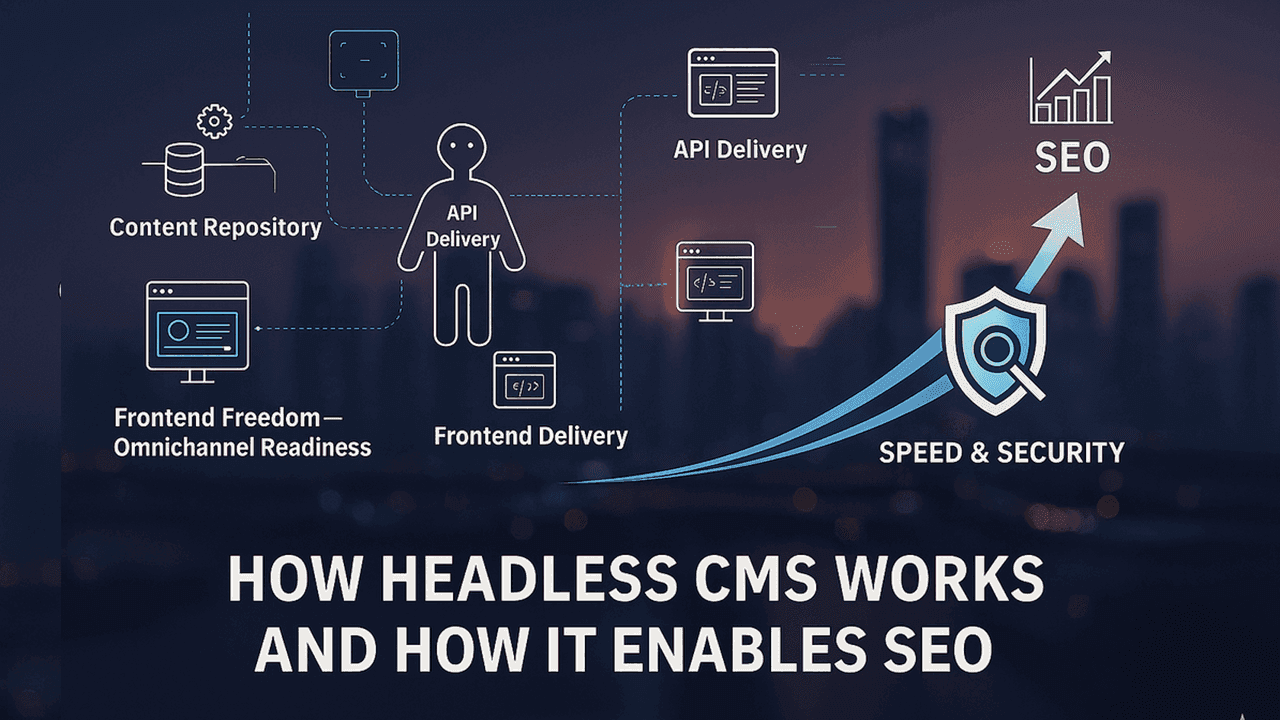
[Deep Dive!] Modern SEO Strategies Using Headless CMS
SEO also has important technical parts. Especially for very large or complex websites, using a Headless CMS can have a big impact on SEO results.
Chapter 3: Specific LPO Use Cases
Let's look at specific examples of how LPO is used in real business situations and how it leads to results.
Use Case 1: High Ad Spending but Low Conversion Rates

[Essential for Ad Managers!] Optimizing LPO for Paid Traffic
Users coming from ads have specific expectations. Meet their expectations and guide them to conversion.
Use Case 2: High Landing Page Bounce Rate (Users Leave Quickly)
Use Case 3: Diverse Products/Services Where a General Approach Doesn't Work Well
Chapter 4: Maximizing Customer Experience with Personalized LPO
While applying basic LPO tips can bring great results, the cutting edge of web marketing demands a more advanced approach: "Personalized LPO."
Why "One-Size-Fits-All" Is a Missed Opportunity!
Today's website visitors have very different backgrounds and needs. Even if you target your ads very precisely, if your landing page looks the same for everyone, you won't be giving each user the most relevant information. This means you lose potential opportunities.
What is Personalized LPO?
Personalized LPO means dynamically changing the content of your landing page (text, images, CTAs, product displays, etc.) based on a user's "attributes" (like gender, age, location), "behavior history" (pages viewed, purchase history, clicks), or "traffic source" (which ad they clicked, or which keywords they searched for).
Benefits of Personalized LPO
Examples of Personalized LPO
Chapter 5: CDP and MA: Accelerating Personalized LPO
To achieve the advanced Personalized LPO we've discussed, you need more than just one tool. You need a system that deeply understands customer data and then uses that data to take the best actions. At the heart of this system are a "CDP (Customer Data Platform)" and "MA (Marketing Automation)."
The Role of a "CDP" in Unifying Customer Data
A CDP (Customer Data Platform) is a system that collects all kinds of customer data – website browsing history, purchase history, ad interactions, membership information, app usage, and even offline purchase data – into one place. It then builds a detailed profile (a "360-degree view") for each individual customer.
With this integrated data, businesses can accurately understand "who this user is," "what they are interested in right now," and "what actions they have taken in the past." This foundation is crucial for planning effective data-driven marketing strategies. The CDP is truly the "brain" of personalization, the source of customer understanding.
The Role of "MA" in "Executing" Personalized Experiences
MA (Marketing Automation) is a tool that uses the customer data integrated and analyzed by the CDP to automate customer outreach and "execute" personalized experiences. MA automatically delivers the most relevant content or messages to each customer, following pre-set plans triggered by specific actions (like visiting a website, viewing a product, or opening an email).
For Personalized LPO, MA's features like "dynamic content display" and "communication automation" are especially important.

[Beginner's Guide to MA] Automate Customer Nurturing for Efficiency!
MA is a powerful tool for deepening customer relationships and guiding them towards purchase.
Why CDP and MA Revolutionize Personalized LPO
Personalized LPO truly becomes powerful when a CDP provides customer "data" and "segmentation," and MA then "acts" on that data and "delivers content."
In this way, by CDP deeply understanding customers and MA automating actions based on that understanding, it becomes possible to provide "a personalized landing page experience" – something difficult with traditional LPO. This simultaneously improves customer satisfaction and further boosts conversion rates.
Antsomi CDP 365: Integrating CDP and MA Power to Maximize LPO
CDP and MA are powerful tools on their own, but their effectiveness significantly increases when they work together. Antsomi CDP 365 is a platform that integrates both CDP and MA functionalities. From collecting and unifying customer data to advanced segmentation, and even automatically delivering personalized content to those segments – all can be done seamlessly within one tool.
This eliminates the hassle of complex tool integrations, allowing you to implement a more efficient and powerful Personalized LPO strategy. By using Antsomi CDP 365, you can provide the right information to each customer at the right time, leading to maximized ad effectiveness, stronger customer loyalty, and accelerated business growth.

[Antsomi CDP 365 Beginner's Manual]
Learn how to set up automated reminders for users who abandoned their shopping carts, based on their website behavior data.
Conclusion
LPO is one of the most important strategies for turning website visitors into "results." It directly leads to maximizing ad effectiveness, improving customer experience, and increasing your website's profitability.
Start by reviewing your own landing pages using the basic LPO tips explained in this article. Consistent, small improvements can lead to significant results over time.
And if you aim for even greater results and customer engagement, "Personalized LPO" – providing tailored information to each customer – is a powerful tool. Tools like CDP and MA form the foundation for achieving Personalized LPO, creating new relationships between customers and your website.
So, go ahead and start using LPO to unlock your website's full potential!
If you are interested in Antsomi CDP 365, please feel free to contact us. We are dedicated to providing strong support for your web marketing efforts and helping you accelerate business growth through LPO and personalization.
Have Questions or Want to Learn More?
Contact us for more information about H+ CDP and how it can help your business.
Email us at: antsomi-contact@hakuhodody-one.co.jp
Or, fill out the form below and we'll get back to you shortly.